

You’re probably in the middle of it right now. A birthday gift is wrapped, a daycare bag is half-zipped, and three identical blue water bottles are sitting on the counter while your child insists one of them is definitely theirs.
This is the part nobody tells you about parenting. It’s not just the laundry or the lunches. It’s the endless sorting, rescuing, and replacing of stuff that all looks the same.
That’s why I’m opinionated about gift tag stickers. Not the flimsy holiday kind that curl at the edges before the party starts. I mean durable, personalized labels that work on actual family life. Bottles. Lunch boxes. Jackets. Shoes. Gifts. Allergy alerts. The things kids carry, drop, swap, and lose.
I started treating them less like a wrapping accessory and more like a household system. That changed everything.
The Great Gift and Gear Mix-Up
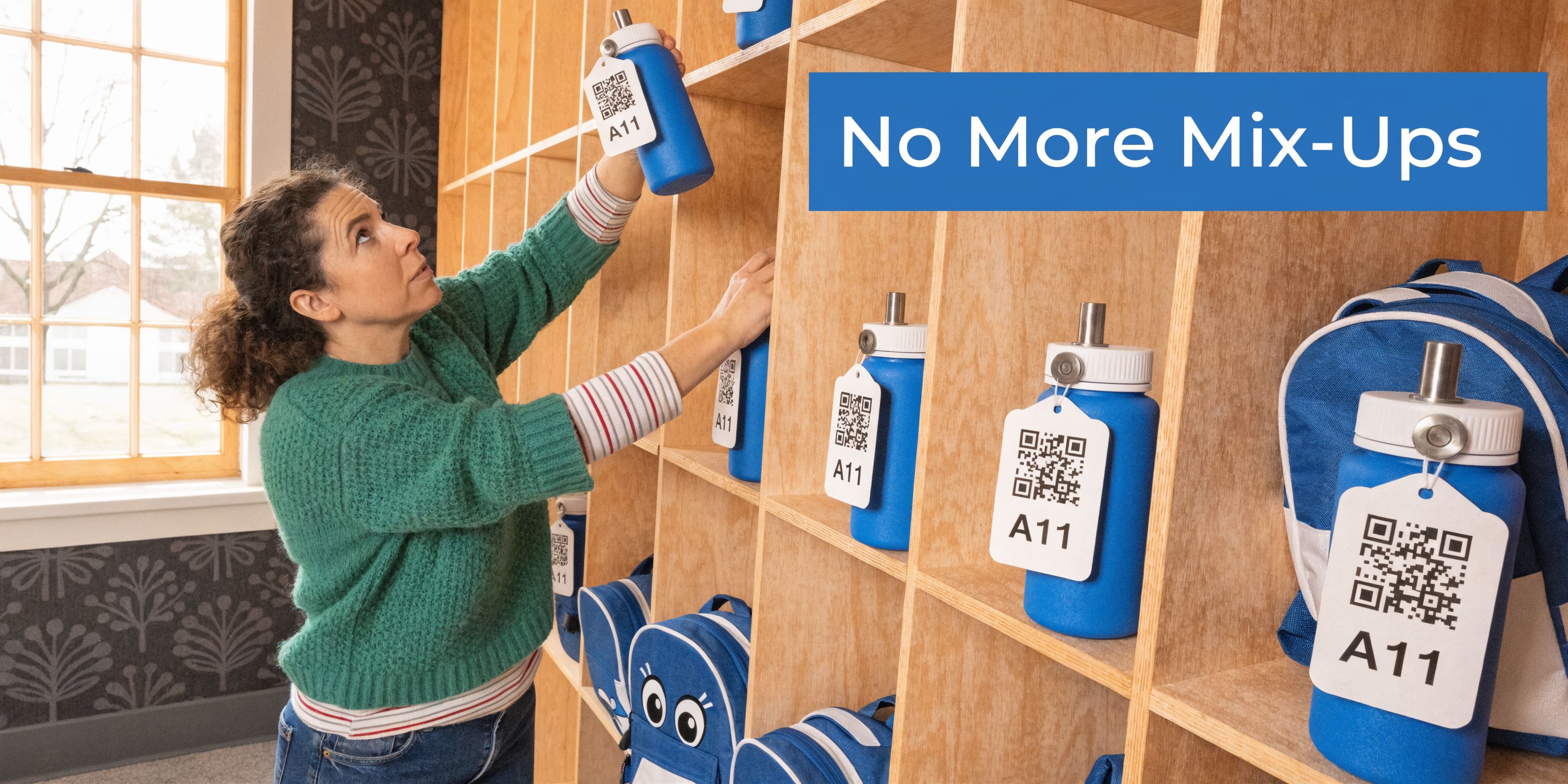
A daycare cubby can humble any organized parent.
You pack everything carefully in the morning. By pickup, your child’s sweater is missing, their snack container has migrated to another bag, and a water bottle that looks exactly like yours is sitting in the lost-and-found bin. At birthday parties, it’s the same story. Gift bags get shuffled. Coats get grabbed by the wrong kid. Someone leaves with your item and nobody notices until bedtime.
Why the old system fails
Paper gift tags are fine for one quiet moment under a Christmas tree. They’re terrible for kid life.
They tear. String falls off. Ink smears. Tape lifts. If you try to use the same approach on a lunch box, daycare bottle, or school tote, you already know how that ends. By the second wash, the tag is gone. By the third handoff, nobody remembers whose item it was.
I learned this after labeling things the lazy way. Masking tape on containers. A marker scribble on the bottom of a cup. A cheap tag tied to a backpack zipper. Every shortcut created one more little failure point.
What actually works
A durable gift tag sticker does two jobs at once. It identifies the item fast, and it stays put long enough to matter.
That sounds small. It isn’t.
When a teacher can glance at a bottle and hand it to the right child, you avoid one more mix-up. When a grandparent can label presents clearly without taping on paper cards, gift opening goes smoother. When a lunch container has a readable name after the dishwasher, you stop buying replacements for things you already own.
The best labels don’t feel decorative. They feel like insurance for your daily routine.
Parents don’t need more cute clutter. We need fewer avoidable problems. A good sticker solves a very boring, very expensive parenting issue. Lost stuff.
Rethinking The Tag What Modern Gift Tag Stickers Are
Hearing gift tag stickers often brings to mind seasonal labels for wrapping paper.
That’s too narrow.
Modern gift tag stickers are closer to a permanent ID badge for belongings. You can still use them on presents, of course. But the smarter use is anywhere a child’s item needs to be identified quickly and clearly.
They started as a real upgrade
The modern self-adhesive sticker changed everything in 1935, when Stanton Avery developed the first peel-and-stick design that became the foundation for today’s labeling products, including durable personalized tags for presents and school gear (history of the sticker and Avery’s invention).
That’s why today’s labels feel so much more practical than old paper tags. You peel. You place. You’re done.
No string. No hole punch. No tape wrestling while your kid asks for a snack.
Stop thinking “gift only”
I use the phrase gift tag stickers broadly, because that’s how parents use them. They aren’t just for gift wrap. They belong on:
- Birthday presents so names don’t get separated from bags
- Lunch gear so the right container comes home
- Daycare extras like pacifier cases, bottles, and change-of-clothes bags
- School supplies that all look the same by the second week
- Party favors when you want something cleaner than dangling tags
There’s no reason to keep these labels trapped in the holiday aisle.
Decorative is nice. Functional is better
I love attractive packaging. A thoughtful label can make a simple gift feel finished.
If you want inspiration for the wrapping side of things, these creative gift wrapping ideas are worth a look because they make the presentation feel special without getting fussy. But for family life, the main win is function. A label should look good and survive handling.
That’s why I’d choose a clean personalized sticker over a paper tag almost every time. It’s neater, faster, and harder to lose.
The category is bigger than people realize
A modern tag sticker can be round, rectangular, icon-based, text-heavy, waterproof, decorative, allergy-focused, or designed for repeated washing. The useful question isn’t “Is this a gift tag?” It’s “Will this stay readable and attached on the thing I need labeled?”
Practical rule: If the item is going to be carried, washed, dropped, or shared, treat it like it needs a real label, not a temporary note.
If you want a deeper look at how these labels fit into everyday organization, this overview on sticker gift tags is a helpful reference: https://www.inchbug.com/blogs/blog/sticker-gift-tags
That’s the shift. A gift tag sticker isn’t a tiny decorative extra anymore. It’s one of the simplest organization tools a parent can use.
The Anatomy of a Sticker That Lasts
A bad sticker is basically a paper towel in the rain.
A good one is more like a tiny raincoat with glue engineered for chaos. That’s what you want on a bottle, lunch container, jacket tag, or anything heading into a daycare room full of identical gear.
Material matters first
If you only remember one thing, remember this: the face material matters more than the design.
Materials like Polyethylene (PE) and Polyvinyl Chloride (PVC) are used for durable gift tag stickers because they resist moisture, chemicals, and temperature swings, and they can withstand over 500 dishwasher cycles without fading or peeling (durable gift sticker materials).
That’s not a decorative upgrade. That’s the difference between a label that survives family life and one that quits after a week.
Think in layers
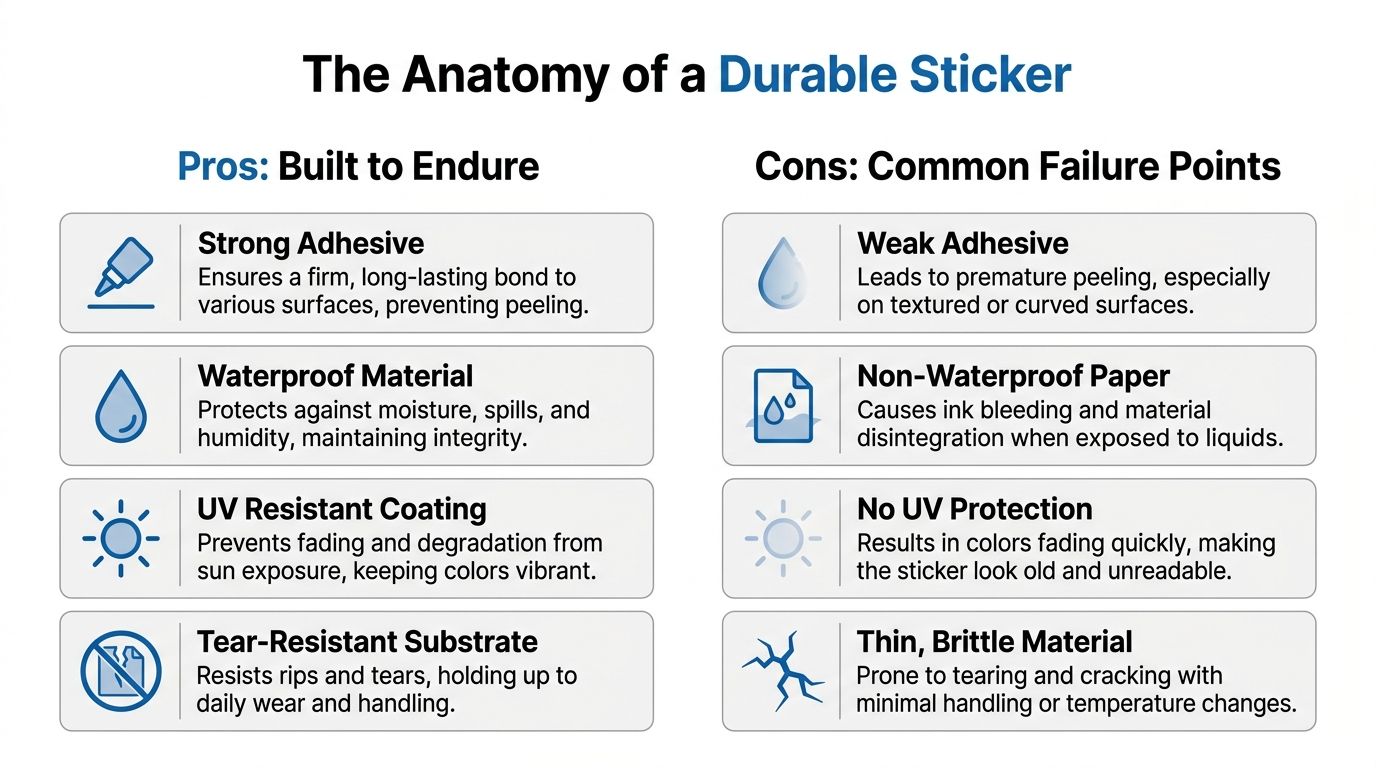
A durable sticker usually works because several parts are doing their jobs at once.
| Part | What it does | What happens if it’s weak |
|---|---|---|
| Surface material | Handles water, rubbing, and temperature changes | The label wrinkles, tears, or fades |
| Adhesive | Holds the sticker in place | Corners lift and the sticker slides off |
| Protective finish | Guards against moisture and wear | Ink smears or scratches away |
Parents often focus on the printed name or the cute icon. Manufacturers know the hidden parts matter more.
What to look for on real items
Different belongings ask different things from a label.
Curved bottles and cups
These need flexibility. A stiff, cheap sticker will fight the curve and start peeling at the edges.
Look for labels designed for smooth, hard surfaces and frequent washing. If the bottle goes into a dishwasher, that requirement isn’t optional. It’s the whole point.
Lunch boxes and containers
These deal with grease, condensation, soap, and repeated opening and closing.
A paper-based label won’t keep up. You want a water-resistant or waterproof material with a strong adhesive bond. If you’ve ever pulled a fuzzy half-label off a container after washing, you’ve seen what happens when the material can’t handle real use.
A practical reference on that point is this guide to dishwasher-safe labels: https://www.inchbug.com/blogs/blog/dishwasher-safe-labels
Clothing tags and soft accessories
Fabric is trickier. Not every sticker belongs directly on cloth.
For jackets, blankets, or items with care tags, you want the label placed on the existing tag or another suitable smooth area if the product is designed for that use. A sticker can be durable and still fail if it’s applied to the wrong surface.
Don’t ignore the adhesive
A pretty sticker with weak adhesive is still a bad label.
I’d rather have a plain design that stays on than a beautiful one that peels after one wash. Parents don’t need labels that win on first impression and lose on day three.
Buy for the hardest condition the item will face, not the easiest one. If it might go through the sink, the dishwasher, a hot car, and a backpack, choose for that.
The quick test I’d use
Before you commit to any label style, ask four blunt questions:
- Will it get wet
- Will it be handled daily
- Will it rub against other items
- Will I be annoyed if I have to replace it next week
If the answer is yes to even two of those, skip flimsy paper options.
The best gift tag stickers don’t just identify an item. They keep doing it after spills, washing, and rough handling. That’s what makes them useful.
Designing Stickers That Stand Out and Stay On
A label can be durable and still fail if nobody can spot it fast.
That’s where design matters. In a classroom, daycare room, or crowded birthday party, the winning sticker is the one an adult can identify in one glance. Not the cutest one. Not the busiest one. The clearest one.
Make the name readable first
Start with the child’s name. Everything else is secondary.
Use strong contrast. Dark text on a light background is usually easiest to read. If you love bold color, use it around the edges or in the icon, not behind tiny lettering.
Avoid overly delicate script fonts. They look sweet on a mockup and become a blur on a water bottle lid.
A better formula looks like this:
- Short first name for younger kids
- First name plus last initial if mix-ups are likely
- Large text size before extra design flourishes
- One icon instead of three competing graphics
If the sticker is for a pre-reader, the icon matters almost as much as the name. A rainbow, soccer ball, dinosaur, or heart gives teachers and kids a fast visual cue.
Choose colors with a purpose
I’m all for fun labels, but not every color combination earns its keep.
Here’s a simple guide:
| Goal | Better choice | Skip this |
|---|---|---|
| Fast readability | Navy on white, black on yellow, dark pink on pale peach | Pastel text on pastel background |
| Easy kid recognition | One bold icon and one strong accent color | Tiny detailed illustrations |
| Shared settings | Distinct color family unlike common school gear | Generic blue-on-blue if everyone owns blue bottles |
A lot of parents accidentally design labels to blend in with the product. That’s backwards. Your sticker should interrupt the sameness.
Placement is half the job
Even the best label fails when it’s placed badly.
Water bottles
Place the sticker where a teacher can see it without turning the bottle upside down. A smooth side panel works better than the bottom.
Avoid deep grooves, heavy texture, or a seam line. Labels need flat contact.
Lunch boxes
Put the name on the lid or front-facing side, not underneath. Adults sorting lunches need to read it fast.
If you’re labeling multiple parts, match the style across each piece so the full set is easy to reunite.
Jackets and bags
For bags, choose a smooth outer panel or tag area that gets seen during drop-off and pickup. For clothing-related labels, follow the label’s intended application surface. A zipper flap may look convenient but can get constant friction.
Wrapped gifts
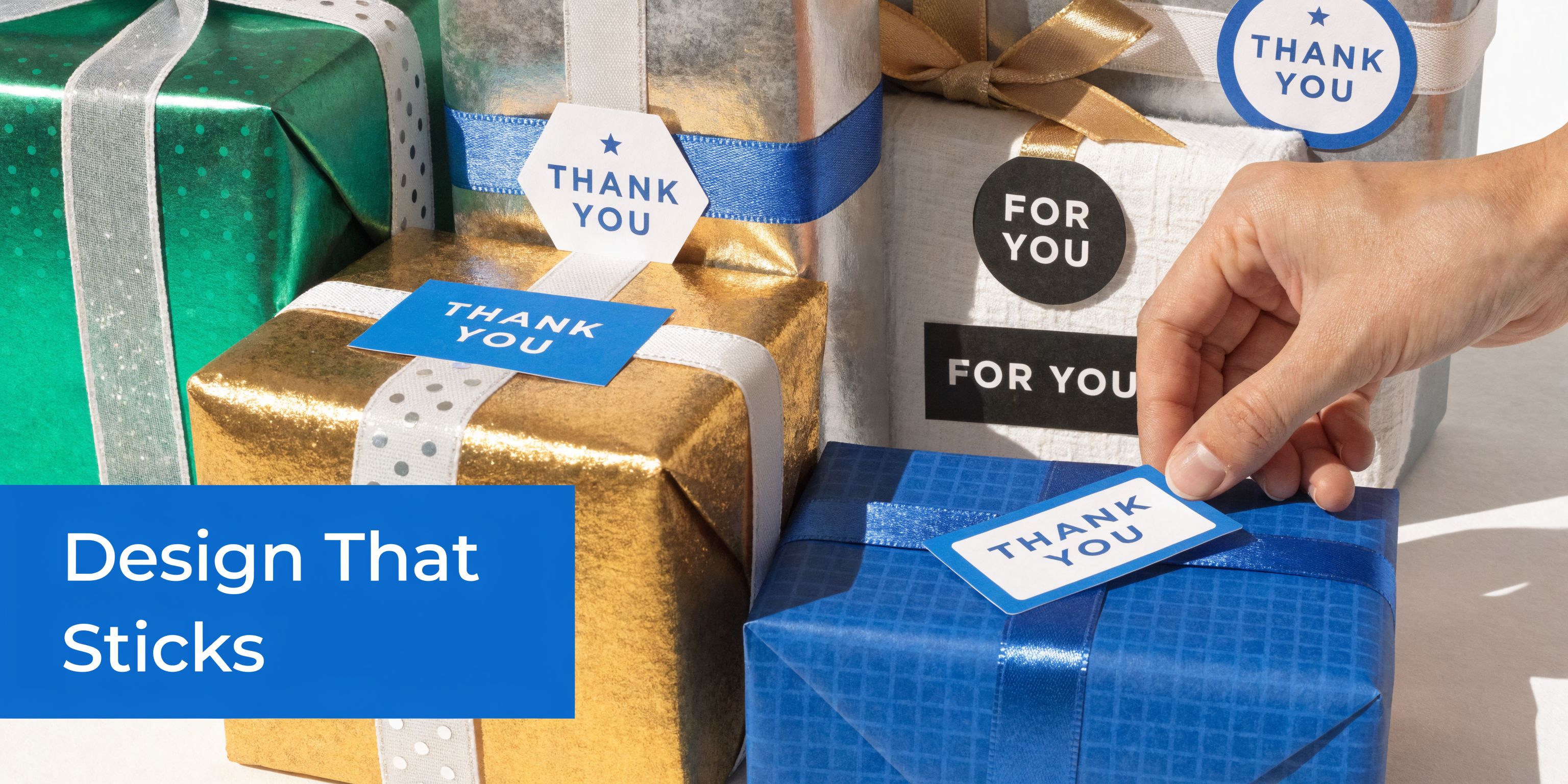
Use the sticker where a normal tag would go, but take advantage of the larger clean surface. That lets you use a bolder design and clearer “to” and “from” text without dangling paper.
Keep the design disciplined
Parents often overbuild labels because personalization is fun. I get it. But restraint works better.
If you need to squint at the preview, it’s already too complicated.
A strong sticker usually includes only three things:
- A readable name
- A clear color contrast
- One memorable visual cue
That’s enough.
If you’re looking for practical examples of labels made for wet, messy, real-life use, this page on waterproof name stickers is a useful benchmark: https://www.inchbug.com/blogs/blog/waterproof-name-stickers
My rule for gift labels versus gear labels
I separate them mentally into two buckets.
For gifts, I allow a little more personality. A seasonal icon, a thank-you note, a fun shape.
For gear, I go functional first. Bold text. Strong contrast. Minimal clutter. The item needs to make it home, not win a design award.
That small mindset shift saves a lot of frustration. A good-looking sticker is nice. A visible sticker is better.
Clever and Creative Uses Beyond the Gift Box
The biggest mistake people make with gift tag stickers is using them once and moving on.
A durable label can handle far more than wrapping paper. Once you start seeing it as a household tool, you’ll find uses everywhere.
Where they earn their keep fastest
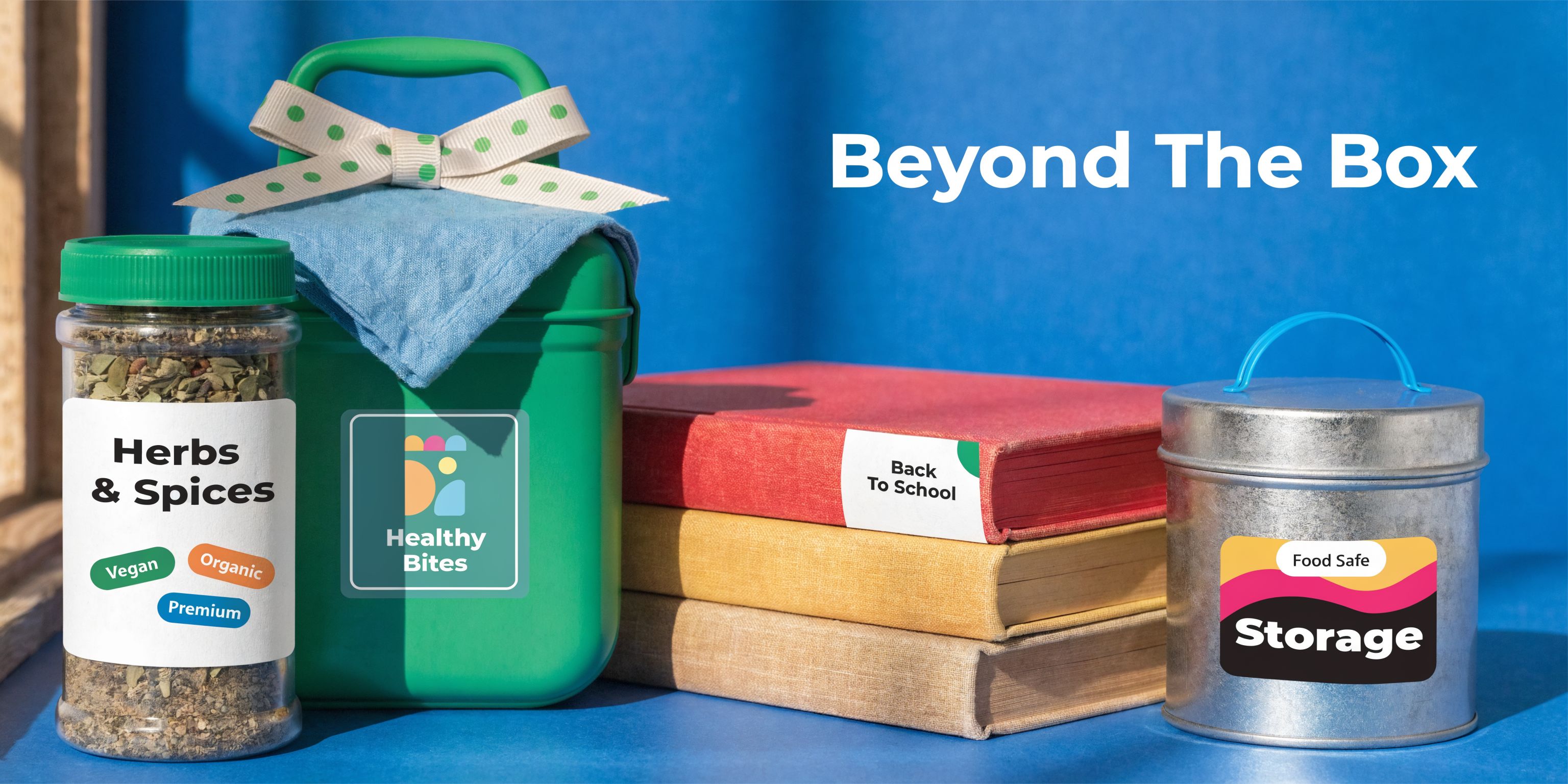
I’ve seen the biggest payoff in the places where stuff gets shared, washed, or carried out of the house.
- Daycare gear like bottles, pacifier cases, snack containers, and nap items
- School supplies including pencil boxes, folders, rulers, and notebooks
- Sports equipment such as water bottles, shin guards cases, and ball bags
- Party favors where names help avoid the end-of-party scramble
- Homemade food gifts on jars, tins, and treat boxes
- Classroom supplies teachers need to sort quickly
This is also where decorative tags usually fail. They weren’t built for repeat handling.
Allergy labels deserve more attention
This is one use I feel strongly about.
An emerging trend is adding allergy and safety information to children’s labels, driven by a 25% increase in parents prioritizing allergy alerts on kids’ items amid concerns about food mix-ups in schools and daycares. That fact appears in the verified data provided for this article.
If your child has a food allergy, I wouldn’t leave that information floating around on a paper note tucked into a lunch bag. I’d put it where an adult can see it.
Good uses include:
- Lunch boxes with a visible allergy warning
- Water bottles that identify the child and flag a medical concern
- Snack containers for daycare settings
- Gifted treats where ingredients or warnings matter
A label can be cheerful and still carry serious information. In some families, that isn’t an extra feature. It’s the reason to label in the first place.
Behavior and routine tools count too
Not every sticker has to carry a name.
Some families use labels for encouragement, routines, or conflict reduction. If you like that idea, Peace Path Super Stickers are a nice example of how stickers can support social skills and peaceful problem-solving, not just identification.
That broader view helps. A sticker can organize, inform, and reinforce habits all at once.
Here’s a quick visual look at labeling in action:
Smart places people forget
Some of the best uses are the least glamorous.
Book stacks and reading folders
Teachers and parents both benefit when books and folders return to the right child without detective work.
Gift bags that get reused
A sticker works better than a tied tag when the bag gets carried around, set down, and passed between adults.
Pantry and container systems
Personalized labels aren’t just for names. They can identify snack bins, travel containers, and lunch-prep items that rotate through the week. This guide on labels for containers is useful if you’re organizing food storage and grab-and-go items: https://www.inchbug.com/blogs/blog/labels-for-containers
Grandparent gifts for kids
A labeled item is easier for everyone. If Grandma gives a new cup, jacket, or snack box, adding a durable tag sticker before it enters the family routine is a surprisingly thoughtful move.
My favorite mindset shift
A gift tag sticker doesn’t stop being useful once the gift is opened.
That’s the whole opportunity. The same label category can start on a wrapped present and keep working on the item long after the party ends. For parents, that’s the difference between something cute and something worth buying.
How to Order and Get the Best Value with Bundles
Most parents make the same mistake the first time. They order for the obvious item only.
A few bottle labels. Maybe a name tag for a lunch box. Then the first week of school happens, and suddenly you also need labels for shoes, clothing, containers, bags, and whatever mystery item came home in someone else’s cubby.
Buy for the full routine, not one product
Many parents want durable labels for daycare items, but the market still leans heavily toward decorative holiday tags instead of waterproof, reusable options for daily use (example of that gap in the market focus).
That’s why piecemeal ordering usually ends up costing more in time and attention.
The better move is to think through your child’s whole week:
- Morning drop-off items
- Food and drink containers
- Clothing layers
- Shoes and socks backup bag
- Nap or comfort items
- Sports or after-school gear
If it leaves the house, label it.
Why bundles make more sense
Bundles solve two problems at once. You cover more categories, and you avoid reordering every time a new need pops up.
I’m a fan of combo packs because they match how family life works. One child doesn’t need one label type. One child needs a labeling system.
That usually means mixing:
| Need | Best label type |
|---|---|
| Bottles and cups | Waterproof labels or reusable bands |
| Clothing | Garment-specific tags |
| Shoes | Size-appropriate shoe identifiers |
| Lunch gear | Dishwasher-safe name labels |
| Bags and extras | Durable tag-style labels |
A bundle turns that into one decision instead of five.
The hidden value is time
Parents often focus on product count and forget the actual savings. Decision fatigue is expensive too.
When you order a coordinated set once, you stop improvising with marker, tape, and replacement labels. You also keep the look consistent, which helps caregivers spot your child’s things faster.
Order before the first day you need labels, not after the first item goes missing.
If you want a practical look at bundle-style ordering, this overview of combo packs is a good place to start: https://www.inchbug.com/blogs/life-labels/have-you-ever-heard-about-the-combo-packs-from-inchbug
My advice is simple. Buy like a parent who knows the chaos is coming, because it is.
Your Gift Tag Sticker Questions Answered
How do I remove gift tag stickers if I need to
Start slowly at one corner and peel with steady pressure.
If the item is sturdy and the adhesive is holding tight, warming the sticker slightly can help loosen it. Don’t yank. Slow removal is usually cleaner and less annoying.
Will they leave sticky residue
Sometimes they can, depending on the surface, how long the sticker has been on, and what the item has been through.
That doesn’t make the sticker bad. Strong adhesion is usually the reason the label stayed useful in the first place. Residue is easier to deal with than a label that fell off in the sink.
Are these labels safe for kids’ everyday items
For child-use products, I’d stick with brands that clearly position their labels for bottles, lunch gear, and school items. Parents should always check the product details for the specific item they’re labeling.
My rule is practical. If a label is going on something that touches food, drinks, or little hands all day, don’t guess. Use products explicitly made for that context.
What’s the best way to help labels last longer
Application matters.
Clean the surface first. Dry it fully. Apply the label to the correct material and press it down firmly, especially around the edges. Then give it time to set before heavy use or washing if the product instructions recommend that.
This short checklist helps:
- Clean first so soap film, crumbs, or oils don’t interfere
- Dry completely because trapped moisture weakens the bond
- Use the right surface instead of textured or unsuitable areas
- Press firmly to secure full contact
- Match the label to the job rather than using one type for everything
Can I use one label style for every item
Usually, no.
A bottle, a jacket tag, a shoe insole, and a wrapped gift all behave differently. Good labeling gets easier when you stop expecting one sticker to do every job equally well.
Use the label type that matches the item’s surface and wear pattern. That’s the difference between a system and a shortcut.
Are gift tag stickers only for names
Not at all.
You can use them for names, class info, allergy alerts, “from” labels on gifts, container categories, or simple visual identifiers for pre-readers. The useful part is clarity, not just personalization.
What’s coming next in labeling
The category is becoming more advanced.
Advanced sticker tags using Bluetooth Low Energy can support real-time tracking over a 164 ft range, with tiny batteries that can last 1 to 5 years (BLE sticker tag specifications). For parents, that points to a future where “lost” items may be easier to locate instead of just relabeling after the fact.
I don’t think every lunch box needs tracking tech. But I do think the direction is clear. Labels are no longer just decorative. They’re becoming functional tools for identification, safety, and organization.
What’s the smartest first purchase
Start with the items that leave your house most often and come back wet, mixed up, or missing.
For most families, that means:
- Water bottle
- Lunch box
- Daycare or school bag
- Jacket or outerwear item
- One gift or party item to test your preferred style
That gives you fast wins without overthinking it.
If you’re tired of replacing things your family already owns, gift tag stickers are one of the simplest fixes available. Not fancy. Not complicated. Just useful.
If you want labels that are built for bottles, lunch boxes, clothing, shoes, bags, and all the daycare chaos that comes with parenting, take a look at InchBug.inchbug.com). Their personalized, kid-friendly labels are made for everyday use, which is exactly what most families need.