

The email from school arrives, and suddenly the easy rhythm of summer disappears. You open the attachment, see glue sticks, folders, disinfecting wipes, headphones, a very specific box of crayons, and maybe a note about what not to label. Then the questions start. Do you buy everything at once? What counts as shared classroom stock? Which items need names? Which things disappear by Friday?
That's where most back-to-school stress comes from. It isn't the shopping itself. It's the lack of a system. Families aren't just buying pencils. They're trying to decode classroom supply lists, stretch a budget, keep items organized, and send a child into a new room feeling prepared instead of frazzled.
The pressure is real. American households were expected to spend about $858 on school supply expenses in 2025, according to Statista's back-to-school market overview. That makes every duplicate purchase, every lost water bottle, and every last-minute store run feel more annoying than it should.
A calmer approach helps. Start with a grade-level checklist. Match it against the school's official list. Shop with a plan. Label what matters. Pack everything early. Add one small step to support the teacher if you can. That turns classroom supply lists from an annual scramble into something manageable.
This guide is built for real family life, especially daycare through elementary school. It's practical, a little forgiving, and focused on what works when shoes are half on, lunch still needs packing, and someone can't find the purple folder.
1. The Ultimate Printable Checklists from Daycare to 5th Grade
The fastest way to make classroom supply lists less overwhelming is to stop treating every child the same. A daycare bag and a 5th grade backpack don't need the same setup. Younger kids need more daily-care items and backups. Older elementary kids need more writing tools, folders, and subject-based organization.
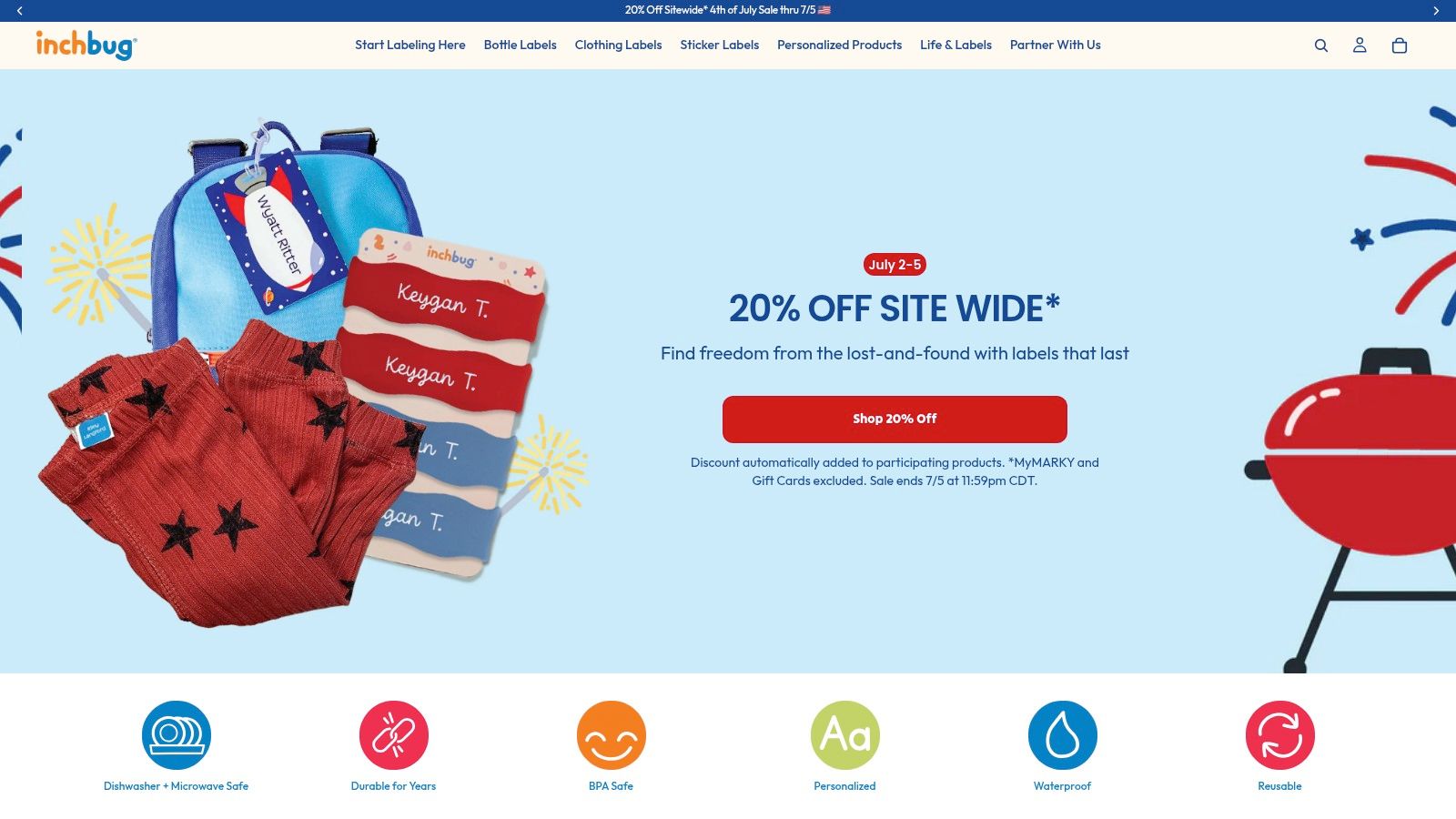
A printable grade-band checklist gives you a starting point before you touch the official school list. That matters because many families shop better when they can separate likely essentials from school-specific requests. If you want a practical starting point, InchBug's school supply list guide for parents is useful for building your own family system.
What usually belongs by age
For daycare and preschool, think in categories instead of exact counts. Extra clothes, labeled drink containers, nap items if required, indoor shoes if requested, diapers or wipes when needed, and comfort items allowed by the center often matter more than notebooks and binders.
For kindergarten through 2nd grade, the core is usually simple and repetitive. Crayons, pencils, blunt-tip scissors, glue sticks, folders, a change of clothes, and a water bottle cover most of the daily basics. This is also the stage where labeling pays off the fastest because children are still learning ownership habits.
Practical rule: Build your own checklist in two columns, “must send on day one” and “can wait until the teacher confirms.”
By 3rd through 5th grade, classroom supply lists often branch into subject organization. That usually means notebooks, composition books, loose-leaf paper, pencil pouches, earbuds or headphones if assigned, and folders that need to survive more movement between desk, home, and specials.
What works better than a one-list-fits-all approach
A family checklist should do three jobs at once:
- Track school requests: Copy the exact items from the teacher list so you don't miss special brands, colors, or quantity limits.
- Track personal-use items: Add lunch gear, water bottles, jackets, and after-school items that the school list may not mention.
- Track prep status: Include simple notes like bought, labeled, packed, and sent.
That last column changes everything. Without it, families end up buying the right items but still feel unprepared because nothing is sorted.
There's also a daycare angle many school-focused articles ignore. If you're balancing younger siblings too, a good independent UK nursery directory can help you compare childcare settings and get a sense of what daily supplies nurseries often expect parents to provide.
The cross-check that saves headaches
Never treat a printable checklist as the final answer. Use it as your draft, then compare it against the school's actual list line by line. Schools differ on tissues, wipes, communal markers, headphones, rest mats, and whether names should go on shared items.
The key is speed and flexibility. A simple, reusable checklist helps you get moving without making you rigid. That's the sweet spot with classroom supply lists. You want structure, not another source of stress.
2. Label Everything. The Secret to a Peaceful School Year
By the second week of school, the lost-and-found starts filling up with the same things. Plain water bottles. Black hoodies. Identical headphones. New lunch boxes that all looked easy to spot at home and impossible to identify in a busy classroom.
That is why labeling matters so much. A school supply list gets items through the door. A labeling system gets more of them back home.
The families who feel less frazzled by October usually are not buying better supplies. They are making ownership obvious. Names on the right items cut down on replacement costs, morning scrambles, and those end-of-day guesses about whether the navy sweatshirt coming home is your child's.
A good system also saves teachers time. If a bottle, sweater, or pencil case has a clear name on it, it can go back to the right child fast instead of sitting on a counter until someone remembers it.
What to label first
Start with the items that travel every day and disappear most often. Water bottles, lunch boxes, backpacks, jackets, sweaters, pencil pouches, and headphones top the list. Add spare clothes, nap gear, and shoes for younger kids.
I would not start with every single crayon and glue stick unless the teacher asks for that. Shared classroom supplies are often collected together, and some teachers prefer them unlabeled. Check the class instructions first, then put your effort where it will pay off.
A label system that holds up
Marker works in a pinch. It fades, smears, and washes off hard-working gear. Cheap stickers often curl at the corners right when you need them to stay put.
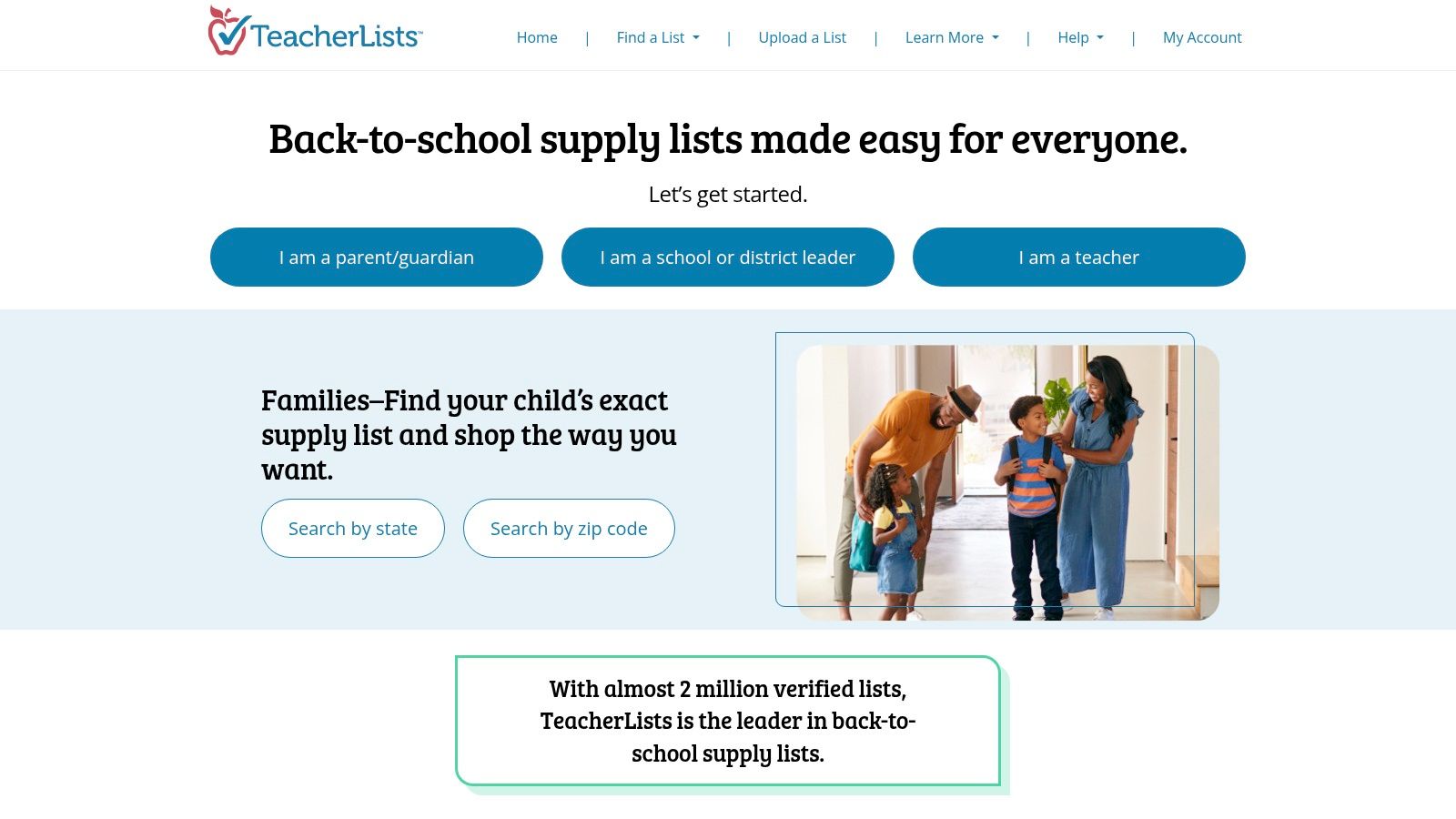
The better route is matching the label to the item. These school name tag options for bottles, clothes, and gear are a good example of how to cover different surfaces without treating every supply the same way. Bottle bands make sense for drink containers. Sticker labels fit lunch boxes, supply cases, and hard plastic items. Clothing labels help with uniforms, cardigans, and backup outfits. Shoe labels solve the very specific problem of one sneaker making it home without the other.
That mix matters. One type of label rarely works well on everything.
The trade-offs parents should know
Personalized labels make life easier, but they are still a real purchase. For one child, the cost is often easy to justify because a single replaced water bottle or hoodie adds up fast. For larger families, labeling every item at once can get expensive, so it makes sense to prioritize.
There is also a flexibility trade-off. Once a name, icon, or color is printed, you are committed. Double-check spelling before ordering, especially if you are buying for multiple kids at 11 p.m. with three tabs open and a half-finished cart.
And keep classroom norms in mind. Teachers may want community supplies left plain while personal items should be clearly marked. Labeling works best when it supports the classroom system instead of fighting it.
The kitchen-table routine that prevents mix-ups
Open the packages before anything goes into the backpack. Sort items into three groups. Personal daily-use items, classroom share items, and backup supplies. Label the first group right away, confirm the second group stays unlabeled if that is what the teacher wants, and bag the third group so it is easy to restock later.
That 20-minute setup session does more for school-year sanity than most last-minute shopping trips.
If your child likes personalizing supplies, let that happen after the name label is on. Decorative touches can help kids recognize their things quickly, and simple projects from Playz DIY school ideas can make plain folders or cases easier to spot without turning prep into a huge project.
Where labels make the biggest difference
Focus first on items that are expensive, easy to confuse, or carried between places. Water bottles and sweatshirts are obvious. Headphones, tablet cases, lunch gear, and spare clothes deserve the same attention because they move between classroom, car, aftercare, and home.
The goal is not perfection. The goal is fewer replacements, fewer lost items, and fewer small problems piling onto an already busy school week. That is what makes labeling part of a full back-to-school system, not just one more task on the list.
3. Shop Smarter. Where to Find Lists and Save Money
It usually starts the same way. A parent is standing in a crowded school-supply aisle, phone in one hand, half-reading a blurry list from a class Facebook group, trying to remember whether the teacher wanted wide-rule or college-rule. That is where overspending happens.
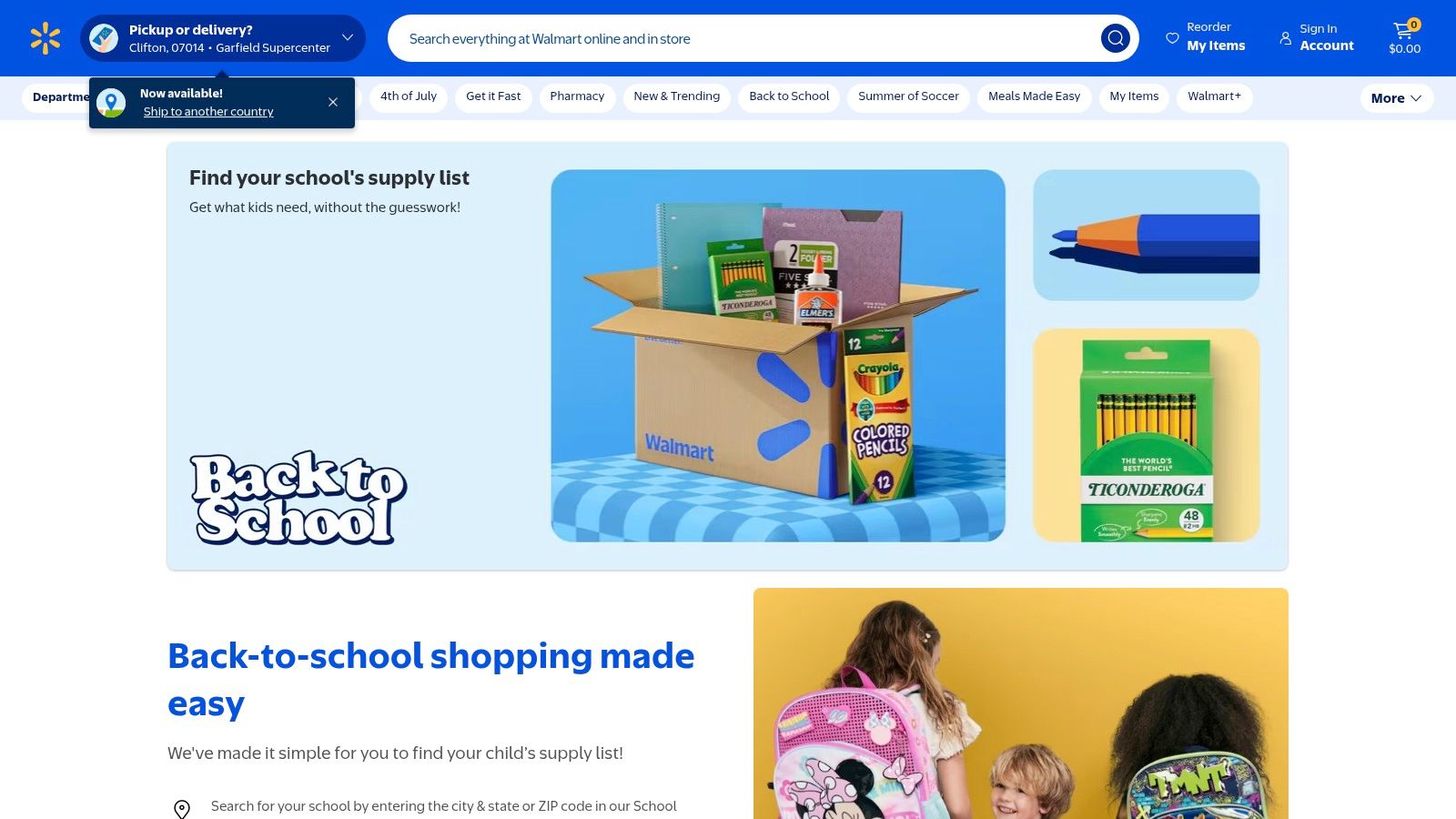
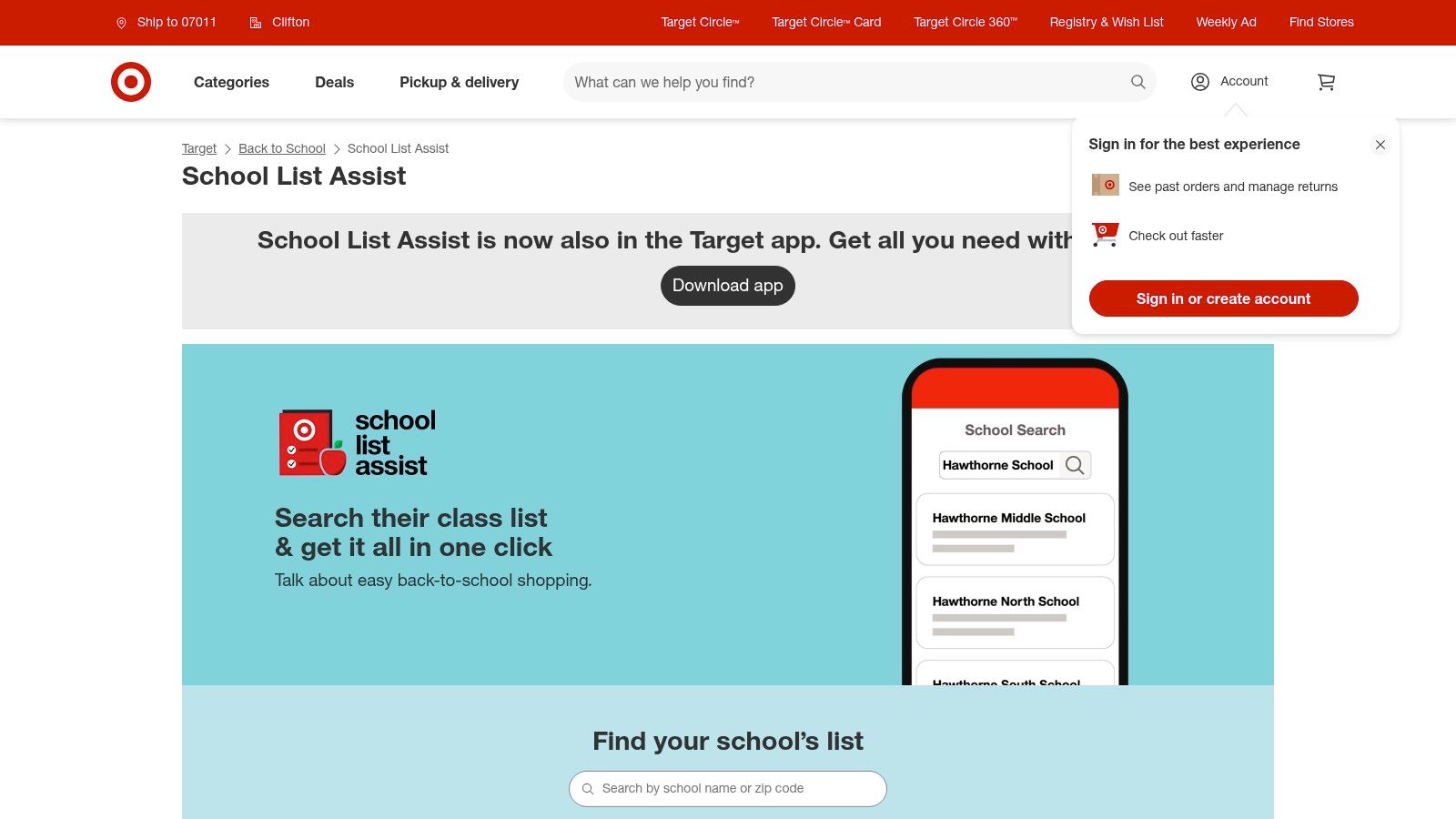
The money-saving part starts before the store. Get the official list from the school website, district page, parent portal, or teacher email. If nothing is posted, call the front office and ask one simple question: is the list grade-wide or teacher-specific? That answer saves more wasted purchases than any coupon.
Then check your house like you are restocking a supply cabinet, not casually looking in one junk drawer. Old backpacks, homework bins, art carts, and desk organizers often hold enough usable basics to cut the list down fast. This section matters because classroom supply lists work best as a system. Find the right list, match it against what you already own, then buy only what closes the gap.
How to spend less without turning this into a second job
A good shopping plan is boring on purpose. It keeps you from buying duplicates, chasing cute extras, or paying premium prices for items your child will burn through in six weeks.
In practice, four habits do most of the work:
- Shop your house first: Gather every leftover notebook, folder, ruler, glue stick, and pencil before you buy anything.
- Sort the list into exact-match items and flexible items: If a teacher asks for a specific brand, color, or size, follow that. If the item is generic, compare price and durability.
- Buy in two rounds: Get the first-day supplies now. Wait on unclear extras, optional donations, or teacher-preference items until you have confirmation.
- Price-check the basics first: Savings usually come from paper, folders, crayons, markers, and tissues, not from the flashy aisle displays.
The cheapest item can cost more by October.
I see this most with folders, water bottles, lunch containers, and kid headphones. Bargain versions rip, leak, or stop working, then you buy them again. A sturdier option often wins on total cost, even if the shelf tag is higher.
If you want a few practical ideas beyond coupons and sale flyers, these gift ideas for elementary teachers can also help you spot what classrooms use instead of what stores heavily market to parents in August.
Where parents usually overspend
One common mistake is shopping for an idealized school year instead of the actual one. Fancy pens for a young child. A huge pencil pouch when the list asks for a small supply box. Trendy extras that look fun in the cart but never solve an actual classroom need.
Another mistake is treating every item as equally urgent. They are not. Start with what the teacher asked for, what your child needs on day one, and what tends to disappear or wear out quickly. Save decorations and upgrades for later, after the routine is working.
It also helps to remember that school-supply budgets get tight for a lot of families, especially during back-to-school season. If you are in a position to add a little extra beyond your own list, one practical option is to support the back to school tools drive. That kind of help can stretch further than another themed notebook set.
For personalization, keep it secondary. Something like Playz DIY school ideas can make plain supplies easier for kids to recognize at home, but it works best after the required items are covered.
Smart shopping is less about hunting for one perfect deal and more about building a repeatable routine. Find the official list. Check what you already have. Buy the required basics first. Leave room to adjust once school starts.
4. Go the Extra Mile. Supporting Teachers and Classrooms
You finally finish your child's list, feel done, and then notice the classroom requests tucked near the bottom. Two tissue boxes. Extra glue sticks. A pack of dry erase markers. That moment is where supply lists stop being a shopping errand and start becoming a system. The list covers your child, but it also helps keep the room running for 20 or 25 kids at a time.
Teachers ask for shared supplies because shared supplies get used hard. Pencils disappear. Wipes run out. Glue sticks dry up halfway through the year. Families can reduce a lot of classroom stress by treating those items as part of the main list, not as optional extras.
The most useful ways to help
If your budget has any room at all, practical help beats cute help almost every time. A second box of tissues usually does more good than a novelty teacher gift. The same goes for plain pencils, black dry erase markers, hand soap, zip bags, and copy paper if a teacher requests it.
I have learned to ask one simple question: "What runs out first?" Teachers usually answer fast, and the answer is rarely decorative.
Here are the add-ons that tend to help most:
- Shared consumables: Tissues, wipes, pencils, glue sticks, crayons, markers, and dry erase supplies
- Quiet gap-fillers: Snack bags, sandwich bags, paper towels, sticky notes, and extra headphones
- Room-specific requests: Items from a teacher wishlist that a standard grade-level list does not cover
- Midyear replacements: Restocks in January or after spring break, when classroom bins are looking rough
Another good option is to keep one small "teacher support" tote at home. Drop in extra basics when you find a sale. Then, if the teacher sends a message in October asking for more pencils or disinfecting wipes, the answer is already sitting in the closet.
Support can be practical and personal
Some families want to help in ways that go beyond bulk supplies. That can still be useful if it solves a real classroom problem. A clear note with your child's allergy information, backup care instructions for younger students, or well-labeled personal items can save staff time and reduce mix-ups. For children in daycare or early elementary settings, personalized allergy labels for daycare safety are one example of support that helps both your child and the adults caring for them.
That is the bigger point here. A good supply system does not end at checkout. It includes shared materials, clear labeling, and small choices that make the classroom easier to manage.
Why extra support matters
Supply lists can put families in different positions fast. One household can toss in three extras without thinking twice. Another is stretching to cover the required basics. Teachers feel that gap every year, especially when some students arrive fully stocked and others are missing the everyday items that make a normal school day work.
That is why community help matters. If you want to support beyond one child's list or one classroom, support the back to school tools drive. Programs like that spread basic supplies where they are needed most and take some pressure off both teachers and families.
You do not need to solve the whole school. Pick one lane and do it well. Send one extra pack of pencils. Refill tissues midyear. Buy the teacher's most-used item instead of the cutest one. Small, repeatable help is what keeps classrooms running.
5. First-Day Ready. Packing, Safety and Allergy Prep
The first school morning usually falls apart in the same places. The backpack is stuffed with everything. The teacher supplies are buried under a sweatshirt. The lunch box looks great but your child cannot open it without help. By the time you get to the classroom door, everyone is flustered.
A good supply system fixes that before day one. Buying and labeling matter, but the last step is packing each item where it will help your child, the teacher, and the front office.
Packing a day or two early catches the problems you cannot see in the store. You find the leaking water bottle, the too-tight shoes, the missing folder, or the spare clothes still sitting on the kitchen chair. That is time well spent.
The night-before setup that works
Keep the sort simple and visible. I like to spread everything out on the floor or table and divide it into three groups before anything goes into a bag.
- Classroom pile: Shared supplies, teacher-requested items, and anything that will be handed over at drop-off.
- Backpack pile: Daily-use items your child needs to reach on their own.
- Health and care pile: Medication forms, allergy notes, spare clothes, comfort items, and feeding supplies for younger kids.
This one step saves a lot of first-day confusion. Teachers do not have to dig through a packed backpack to find disinfecting wipes or tissues, and children are not carrying things they will never use during the day.
Safety details that are easy to miss
Health information needs to be obvious, not tucked into the bottom of a tote bag. For younger children especially, adults need quick visual reminders for allergies, medication-related items, and feeding restrictions. Families sending bottles, snacks, or medical supplies can use personalized allergy labels for daycare safety as one practical way to make those items easier for caregivers to identify fast.
Independence matters too. Send gear your child can manage. A fancy lunch container is no help if they cannot open it. The same goes for water bottle lids, jacket zippers, bento clips, and pencil pouches.
I have learned to do a two-minute test at home. Have your child open the lunch box, close it, unzip the backpack, pull out the folder, and put it back. Any item that causes frustration at the kitchen table will cause bigger frustration in a busy classroom.
The final check before you walk out the door
Do one calm run-through with your child before bedtime or before leaving. Ask three basic questions. Which bag goes to the teacher? Which one stays with you? Where is your water bottle?
That quick practice changes the morning. Your child walks in knowing what belongs to them, what gets handed over, and what they can handle alone.
The goal is not a picture-perfect first day. The goal is a packed bag, clear health info, and supplies that work in real life. That is what makes the whole classroom supply list system hold together.
Classroom Supply Lists: 5-Way Comparison
| Item | Implementation Complexity 🔄 | Resource Requirements ⚡ | Expected Outcomes 📊⭐ | Ideal Use Cases 💡 | Key Advantages ⭐ |
|---|---|---|---|---|---|
| The Ultimate Printable Checklists: Daycare to 5th Grade | Low, ready-made, grade-specific templates | Low, printer/device and basic supplies | High 📊⭐, comprehensive, age-targeted preparedness | Preparing supplies across daycare → 5th grade | Grade-tailored lists; easy to cross-reference school requirements |
| Label Everything: The Secret to a Peaceful School Year (InchBug) | Low, order, personalize, and apply labels | Moderate, purchase label kits and bundles (~$6–$51) | Very High 📊⭐, fewer lost items; durable identification | Families labeling bottles, clothing, shoes, lunch gear | Waterproof, machine- and dishwasher-safe; strong social proof |
| Shop Smarter: Where to Find Lists & Save Money | Moderate, locate official lists and compare options | Low–Moderate, time, retailer apps, cashback tools | High 📊, cost savings and accurate shopping | Budget-conscious shoppers and first-time list retrieval | Uses official lists, retailer kits, and sale timing to save money |
| Go the Extra Mile: Supporting Teachers & Classrooms | Low, buy from wishlist or donate/volunteer | Variable, small purchases or volunteer time | High 📊⭐, better-resourced classrooms; supports all students | Parents, PTOs, and community members wanting impact | High-impact, low-cost donations (markers, tissues); promotes equity |
| First-Day Ready: Packing, Safety & Allergy Prep | Low–Moderate, pack routines and communicate with staff | Low, pouches, labels, time to practice and inform school | High 📊, reduced first-day chaos; improved safety | Families with allergies, anxious kids, or new students | Practical packing tips, allergy alerts, and safety checks |
Your Most Organized School Year Yet
Classroom supply lists feel stressful when they arrive as one giant task. They get much easier when you break them into a repeatable system. Find the right list. Build a simple checklist around your child's grade and daily routine. Shop your house first. Buy what's required. Label the items that need to return home. Pack everything with a plan instead of tossing it together the night before.
That approach matters because the financial pressure is real for everyone involved. The National Education Association says educators spend an average of $500 to $900 a year on school supplies from their own income, with costs rising 7.3% compared with the previous year and projected to increase by 12% to 15% because of tariff impacts, according to the NEA's reporting on rising school supply costs. Families feel the squeeze at checkout, and teachers feel it when classroom basics run short.
There's also a quiet family burden behind many lists. Research highlighted by NCES found that 44% of teachers spent $250 or less of their own money without reimbursement, while 36% spent between $251 and $500 in the NCES school supply spending report. That tells you how often ordinary classroom materials still depend on adults filling the gap. When parents send clearly packed supplies, replace items thoughtfully, and help with communal needs when they can, they make the room run better for everyone.
The encouraging part is that you don't need a perfect system. You need a workable one. A basic checklist beats memory. A labeled water bottle beats a lovely unlabeled one. A backpack packed early beats a midnight rush. One extra classroom donation, if your budget allows it, can matter more than a fancy add-on.
A few habits carry most of the load:
- Keep one master family supply list: Reuse it each year and update by child.
- Create a labeling routine: Don't wait until the morning of meet-the-teacher.
- Save leftovers in one bin: Next year's shopping gets easier immediately.
- Watch for teacher communication: Small updates often matter more than the original PDF.
- Restock midyear on purpose: That's when families often notice what gets used.
The goal isn't to become the most organized parent in the grade. The goal is to reduce friction. Less hunting for lost gear. Less overbuying. Less guessing about what goes where. More confidence for your child, more clarity for you, and a smoother start for the teacher welcoming a full room of kids and supplies.
You've got this. And once you set up a good system, next year gets easier.
If you want one practical upgrade that pays off all year, start with InchBug. Its personalized labels, bottle bands, clothing tags, shoe IDs, and school-ready bundles make it much easier to keep track of the items you're already buying for daycare and school. When classroom supply lists are handled with a solid labeling system, mornings get simpler, lost-and-found gets smaller, and the whole back-to-school season feels a lot more manageable.